
When Should You Replace an Air Purifier Filter?
A Practical Guide for Maximum Filtration Efficiency and System Performance
Air purifiers have become essential equipment in both residential and industrial environments, especially where air quality directly impacts health, productivity, and product quality. Whether used in homes, offices, factories, or cleanrooms, the core of any air purification system lies in its air filter cartridge.
However, one of the most common and costly mistakes users make is not replacing filters at the right time.
A clogged or saturated filter does not just reduce filtration efficiency—it can also:
- Increase energy consumption
- Reduce airflow
- Cause secondary pollution
- Shorten equipment lifespan
Understanding when to replace an air purifier filter is critical for maintaining optimal performance.
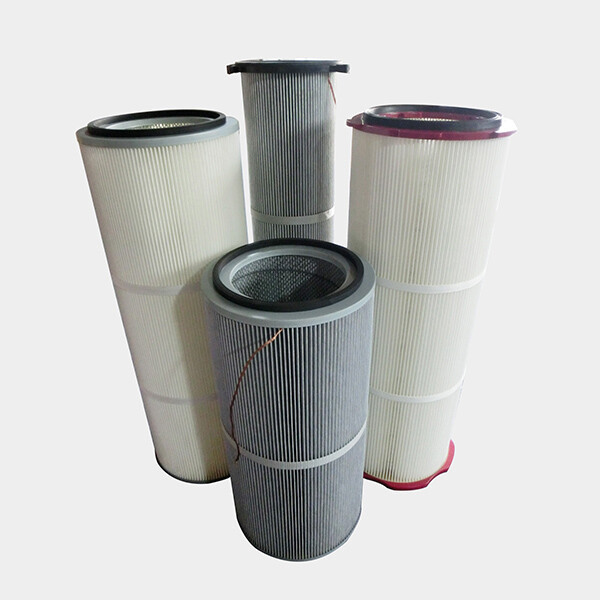
1 How Air Purifier Filters Work – Why Replacement Matters
Air purifiers function by drawing polluted air through internal filters using a fan and motor system. During this process:
- Dust particles are captured
- Bacteria and pollutants are trapped
- Clean air is released back into the environment
Advanced systems may also:
- Generate negative ions
- Neutralize odors
- Remove chemical pollutants
However, as filters accumulate contaminants, their ability to function declines.
This is especially true for:
- HEPA filter cartridges
- activated carbon filters
- industrial dust collector filters
2 Key Signs That Your Air Filter Needs Replacement
1. Filter Indicator Light Is On
Most modern air purifiers include a filter replacement indicator.
However, this system is often based on time usage rather than actual dust load, which means it may not always reflect real conditions.
? “air purifier filter indicator accurate or not”
2. Visible Filter Discoloration
One of the most reliable methods is visual inspection.
If you notice:
- Darkening of filter media
- Heavy dust accumulation
- Uneven contamination
It is a clear sign that the filter is saturated.
? “how to check air purifier filter condition visually”
3. Reduced Airflow Performance
When airflow becomes weaker, it often indicates:
- Filter blockage
- Dust overload
This is especially critical in industrial air filtration systems, where airflow consistency is essential.
4. Unpleasant Odors
If your air purifier begins to emit odors, it may mean:
- Activated carbon filter is saturated
- Bacteria buildup inside filter
5. Increased Noise or Energy Consumption
A clogged filter forces the system to work harder, leading to:
- Higher power consumption
- Increased motor wear
3 Recommended Replacement Cycles (Based on Real Use Cases)
Filter replacement depends heavily on environment:
Low Pollution Environments
- Replace every 12 months
Moderate Use (Home / Office)
- Replace every 6–12 months
High Pollution (Industrial / Dust-heavy)
- Replace every 3–6 months
? “how often to replace HEPA filter industrial environment”
4 Different Filter Types and Their Lifespan
Pre-Filters
- Washable
- Can be reused
- Requires regular cleaning
HEPA Filters
- High-efficiency
- Lifespan: 2–5 years (depending on usage)
Activated Carbon Filters
- Absorbs odors and gases
- Typically replaced annually
5 How to Maintain Air Purifier Filters Properly
Proper maintenance can significantly extend filter lifespan.
Cleaning Pre-Filters
- Use water or vacuum cleaning
- Ensure complete drying before reuse
Handling Replaceable Filters
- Do not wash HEPA filters unless specified
- Store replacements in dry conditions
6 Common Buyer Problems in Filter Replacement
From a B2B perspective, buyers often face:
- Unclear replacement cycles
- Inconsistent filter quality
- Lack of customization
- High replacement costs
7 How Custom Filter Solutions Solve These Issues
With OEM and custom air filter manufacturing, businesses can:
- Optimize filter lifespan
- Match system airflow requirements
- Improve filtration efficiency
- Reduce long-term costs
Custom filters can be designed based on:
- Dust type
- Particle size
- Airflow rate
- Application environment
Summary
Air purifier filters must be replaced when they become clogged, discolored, or when airflow is reduced. Indicators such as filter lights, odor changes, and visual inspection help determine replacement timing. HEPA filters typically last 2–5 years, while activated carbon filters require more frequent replacement. Custom air filter solutions can improve efficiency and reduce long-term costs in both residential and industrial applications.
FAQ
How do I know if my air purifier filter is clogged?
Check for reduced airflow, dark filter color, and increased noise.
Can I clean HEPA filters instead of replacing them?
Most HEPA filters are not washable. Replacement is recommended.
How to reduce filter replacement costs?
Using custom-designed filters can optimize lifespan and reduce frequency.
What is the best filter for industrial dust?
High-efficiency custom filter cartridges designed for specific dust types.
If you're unsure whether your current filter is performing at its best, the most effective way forward is:
? Start with a sample evaluation
We provide:
- Custom filter design
- Performance testing
- OEM manufacturing
? Send your requirements, drawings, or sample
This is how most long-term clients begin cooperation.
What Can We Do For You