How to Reduce Cost, Improve Precision, and Accelerate Time-to-Market for Injection Molded Automotive Plastic Parts
Automotive Injection Mold Manufacturing: The Hidden Driver Behind Cost, Quality, and Speed
In today’s automotive industry, especially with the rapid expansion of electric vehicles, the demand for high-precision, lightweight, and cost-effective plastic components is growing at an unprecedented rate.
However, most buyers—OEMs, distributors, and manufacturers—face the same critical challenge:
The real cost and performance of automotive plastic parts are not determined during production…
but during automotive injection mold manufacturing.
From tooling design to sampling and mass production, every stage impacts:
Product quality consistency
Development cycle
Total project cost
Supply chain stability
This is why understanding automotive plastic tooling and injection molding processes is no longer optional—it’s a competitive necessity.
Why Automotive Injection Mold Manufacturing Matters More Than You Think
Many buyers focus only on unit price.
But experienced procurement teams know:
70%–80% of total cost is decided during mold design and development.
Key Impact Areas
1. Cost Control
Poor mold design → frequent modifications → increased cost
Optimized tooling → lower cycle time + reduced scrap
2. Quality Consistency
Precision molds ensure stable tolerances
Poor molds lead to deformation, shrinkage, defects
3. Lead Time
Efficient mold development shortens product launch cycles
Delays in tooling = missed market opportunities
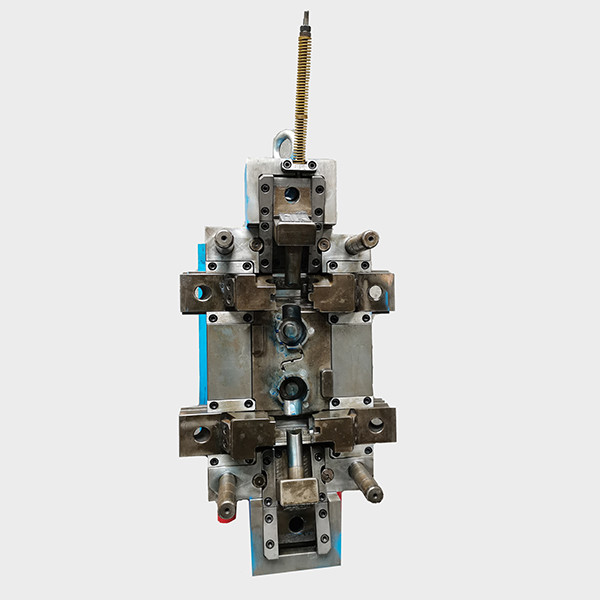
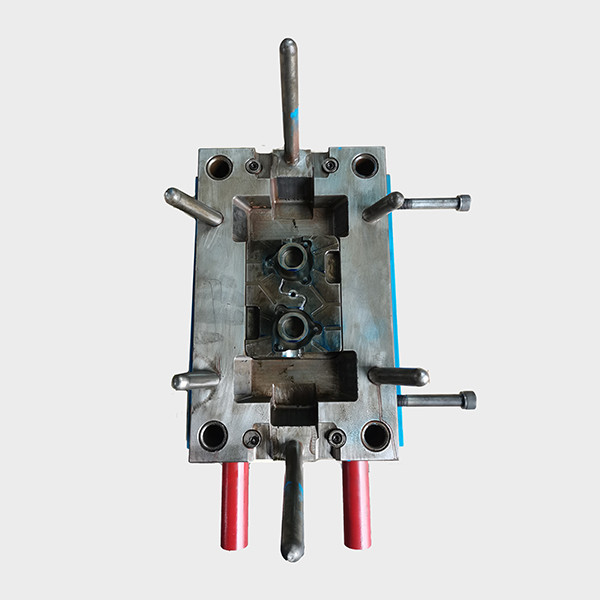
Automotive Plastic Injection Molding Process Explained
To truly optimize cost and performance, buyers must understand the full workflow:
Step 1 – Product Design & DFM Analysis
Wall thickness optimization
Draft angle design for easy demolding
Material selection (ABS, PP, PA, PC, etc.)
This stage directly impacts:
Mold complexity
Production stability
Long-term cost
Step 2 – Automotive Plastic Tooling Development
Mold structure design
Cooling system optimization
Gate and runner design
High-quality automotive plastic tooling ensures:
Uniform filling
Reduced warpage
Faster cycle time
Step 3 – Mold Manufacturing
CNC machining
EDM processing
Surface finishing
Precision here determines:
Final part accuracy
Mold lifespan
Production consistency
Step 4 – Sampling & Testing
First trial (T0 / T1 samples)
Dimensional verification
Functional testing
This stage often reveals:
Shrinkage issues
Surface defects
Assembly mismatches
Step 5 – Mass Production
Stable cycle time
Quality consistency
Process control
The Biggest Buyer Pain Points in Injection Molded Automotive Plastic Parts
From real market insights, buyers consistently face:
Pain Point 1: High Mold Cost
Initial tooling investment is expensive
Difficult to justify for small or medium volume
Pain Point 2: Long Development Cycle
30–60+ days for mold production
Delays in product launch
Pain Point 3: Poor First Sample Accuracy
Multiple iterations required
Increased time and cost
Pain Point 4: Lack of Flexibility
Traditional suppliers resist modifications
Difficult to adapt to market changes
The Game-Changer: Secondary Mold Modification (Cost-Saving Strategy)
One of the most overlooked yet powerful solutions is:
Secondary Mold Modification (Re-engineering Existing Tooling)
Instead of building a new mold from scratch:
Modify existing molds to:
Adapt new product designs
Improve performance
Reduce defects
Key Advantages
✔ Reduce Cost by 30%–50%
No need for full tooling redevelopment
✔ Faster Lead Time
Modification vs. full manufacturing
✔ Lower Risk
Based on proven tooling structure
✔ Increased Flexibility
Quick response to market changes
Custom Automotive Injection Molding for EV Applications
Electric vehicles are reshaping the market.
Demand is growing for:
Lightweight plastic components
High-temperature resistant materials
Complex structural designs
Typical EV Plastic Parts
Battery housing components
Connector systems
Interior lightweight panels
Cooling system components
Challenges
Higher precision requirements
Complex geometries
Strict safety standards
This is where custom automotive injection molding becomes essential.
How to Choose the Right Injection Mold Manufacturing Partner
Buyers should evaluate suppliers based on:
1. Engineering Capability
DFM analysis support
Design optimization
2. Tooling Expertise
Experience in automotive plastic tooling
Ability to handle complex molds
3. Flexibility
Small batch production
Fast response
4. Cost Optimization Ability
Secondary mold modification
Process improvement
5. Communication Efficiency
Fast feedback
Clear technical understanding
Cost Reduction Strategies in Automotive Injection Molding
To stay competitive, buyers should focus on:
Strategy 1: Optimize Design Early
Reduce unnecessary complexity
Strategy 2: Use Multi-purpose Molds
One mold → multiple variations
Strategy 3: Improve Material Efficiency
Reduce waste and cycle time
Strategy 4: Implement Secondary Mold Modification
Extend mold life and reduce investment
Future Trends in Automotive Plastic Injection Manufacturing
Trend 1: Lightweighting
Replacing metal with engineered plastics
Trend 2: Faster Development Cycles
Shorter product life cycles demand faster tooling
Trend 3: Smart Manufacturing
Automation + data-driven optimization
Trend 4: Sustainable Materials
Recyclable and eco-friendly plastics
FAQ
Q1: What is automotive injection mold manufacturing?
It is the process of designing and producing molds used to manufacture automotive plastic components through injection molding.
Q2: How can I reduce injection mold cost?
By optimizing design, using multi-purpose molds, and applying secondary mold modification instead of building new molds.
Q3: What materials are used in automotive plastic parts?
Common materials include ABS, PP, PA, PC, and reinforced engineering plastics.
Q4: How long does mold manufacturing take?
Typically 25–45 days depending on complexity.
Q5: What is secondary mold modification?
A process of modifying existing molds to reduce cost, save time, and improve performance.
Final Insight – What Smart Buyers Are Doing Today
The most competitive buyers are no longer asking:
“Who has the lowest price?”
They are asking:
“Who can reduce my total cost, shorten development time, and improve product reliability?”
Because in today’s market:
Speed = Profit
Flexibility = Survival
Engineering capability = Competitive advantage
If you are currently facing:
High tooling cost
Long development cycles
Unstable product quality
Difficulty modifying existing molds
Then it may be time to rethink your approach to:
automotive injection mold manufacturing
The right strategy doesn’t just reduce cost.
It transforms your entire supply chain into a competitive advantage.
What Can We Do For You